

Heavy Duty Storage

When you’re thinking about mounting heavy-duty cabinets, the first step is understanding just what you’re working with. Know your cabinet’s weight and dimensions like the back of your hand. It sets the stage for everything else you’re about to do.
Grab the essential tools you’ll need to get the job done right. You’ll want a sturdy power drill, durable screws, and a reliable stud finder in your toolkit. Trust me, using the right tools can make everything easier.
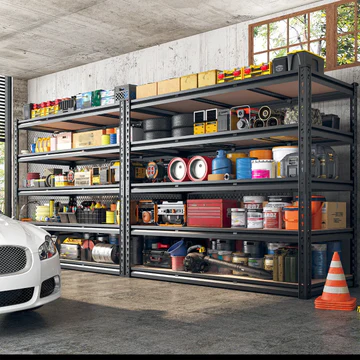
Now, what if you’re watching the pennies but still want quality? Whether you’re working with a shoestring budget or you’re ready to splurge a bit, weigh your options wisely. Some materials offer excellent durability without breaking the bank, while others might be expensive but last a lifetime.
Safety should be top of mind when selecting materials. Consider stuff like potential off-gassing from certain adhesives or screws that might not hold up over time. Using safe and sturdy materials isn’t just good practice; it’s a smart way to prevent headaches down the road.
Step-by-Step Guide to Secure Cabinet Installation
Before getting hands-on, locate those wall studs—they’re the unsung heroes for holding heavy stuff. Grab that stud finder from your toolkit and scout for the perfect spots to mount your cabinet. And hey, make sure you figure out a good height that works for you and whoever will be using it.
With spots in mind, it’s time to get precise with your measurements. Measure twice, drill once—there’s nothing more frustrating than having to redo stuff because of a little slip-up. Grab a pencil and mark those spots clearly.
When it comes to the actual mounting, take it step by step. Think of it as piecing together a puzzle. Start with drilling pilot holes into the marked spots—it’s all about setting that solid foundation. Use those durable screws to secure the brackets into the wall studs.
Leveling up is crucial once the cabinet is in place. It’s not just about aesthetics; it’s about stability and safety too. Double-check that everything’s balanced. If the cabinet doesn’t sit right, tweak it before doing your final tightening. That’s how you keep things steady and secure.
Safety Checks and Maintenance for Long-term Cabinet Use
Once your cabinet’s up, the work’s not quite over yet. Regularly inspecting those anchors and fasteners is key to making sure your setup stays rock solid. A quick check every few months will help prevent any little issues from becoming big headaches down the road.
Set a maintenance schedule. Just like you’d service your car, plan to give your cabinet some TLC at least once a year. Tighten any loose screws and give those hinges some love with a bit of oil. These small touches can really extend the life of your cabinet.
Keep an eye out for signs of wear or damage, like sagging or cracking, especially if it’s holding heavy items. Spotting these early means you can deal with them before they turn into serious problems.
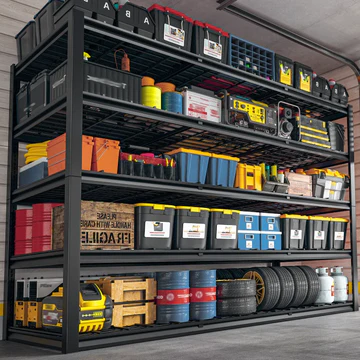
When storing heavy items, think about weight distribution. It’s all about balance. Pop the heaviest items on the bottom shelf. This not only keeps things stable but also makes it safer when you need to reach up high or bend down low.
Happiness is finding the right tool, right when you need it!